What is sewage, affects of sewage on human health and who cleans sewage
Sewage refers to wastewater that contains various types of pollutants, including human waste, household chemicals, and other contaminants.
It is generated from domestic, industrial, and commercial sources and typically flows through a system of pipes to treatment plants for processing before being discharged into the environment.and you can call on +44 7506 709450
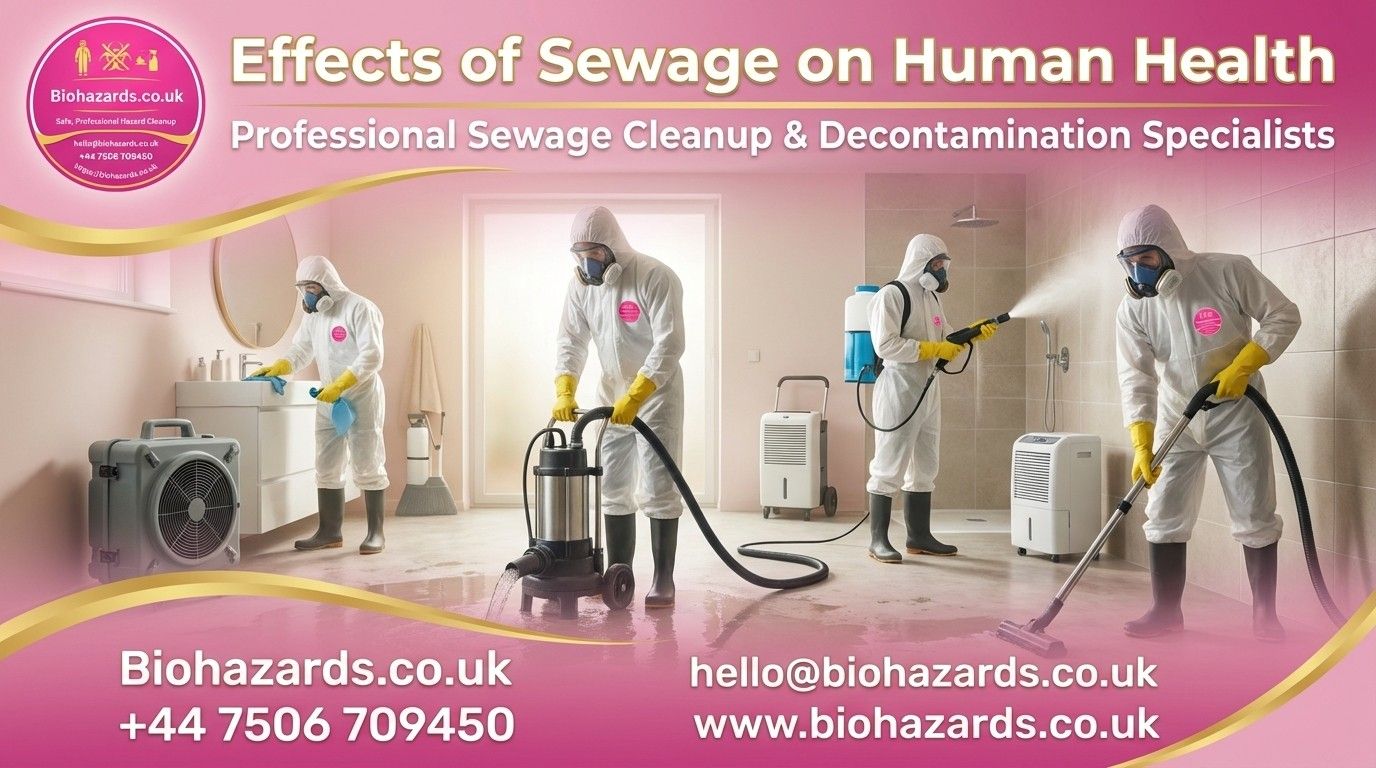
Effects of Sewage on Human Health:
- Waterborne Diseases: Sewage contains pathogens such as bacteria, viruses, and parasites, which can cause diseases such as cholera, typhoid fever, hepatitis, and gastroenteritis when ingested or inhaled.
- Chemical Exposure: Sewage may contain toxic chemicals, heavy metals, and other hazardous substances that can pose health risks through direct contact, ingestion, or inhalation.
- Skin Irritation: Contact with untreated sewage can lead to skin irritation, rashes, and infections, particularly if the skin is broken or compromised.
- Respiratory Issues: Inhalation of sewage fumes or aerosols can irritate the respiratory system and exacerbate conditions such as asthma or bronchitis.
- Vector-Borne Diseases: Sewage can attract pests such as mosquitoes and rodents, which can transmit diseases such as malaria, dengue fever, and leptospirosis.and you can call on +44 7506 709450
Who Cleans Sewage:
- Public Utilities: Municipalities or local government agencies are responsible for managing sewage treatment and disposal systems. They operate sewage treatment plants to treat wastewater before discharge into rivers, lakes, or oceans.
- Professional Cleaning Companies: In cases of sewage spills, backups, or blockages, professional sewage cleaning companies specialists in sewage clean up may be called upon to address the issue. These companies have the expertise, equipment, and protective gear necessary to safely clean and decontaminate affected areas.
- Individual Property Owners: Property owners are responsible for maintaining their sewage systems, including septic tanks, sewer lines, and plumbing fixtures. In the event of a sewage backup or overflow on private property, the property owner may need to hire professional cleaners to address the problem.hello@biohazards.co.uk
Cleaning and Decontamination Process:
-
- Containment: The affected area is cordoned off to prevent further spread of sewage and contamination.
- Removal of Standing Water: Excess water is pumped out or extracted from the area using specialized equipment.
- Cleaning and Disinfection: Surfaces are thoroughly cleaned and disinfected to remove sewage residue and kill harmful pathogens.
- Deodorization: Odour control measures are implemented to eliminate foul odours associated with sewage.
- Drying and Restoration: The area is dried using air movers and dehumidifiers to prevent mould growth and structural damage. Repairs may be necessary to restore damaged surfaces and fixtures.and you can call on +44 7506 709450
Popular Pages
Overall, proper sewage management, treatment, and clean up are essential for protecting public health and the environment from the adverse effects of sewage contamination.
Collaboration between government agencies, professional cleaners, and property owners is crucial to ensure timely and effective response to sewage-related incidents.